EN
EN

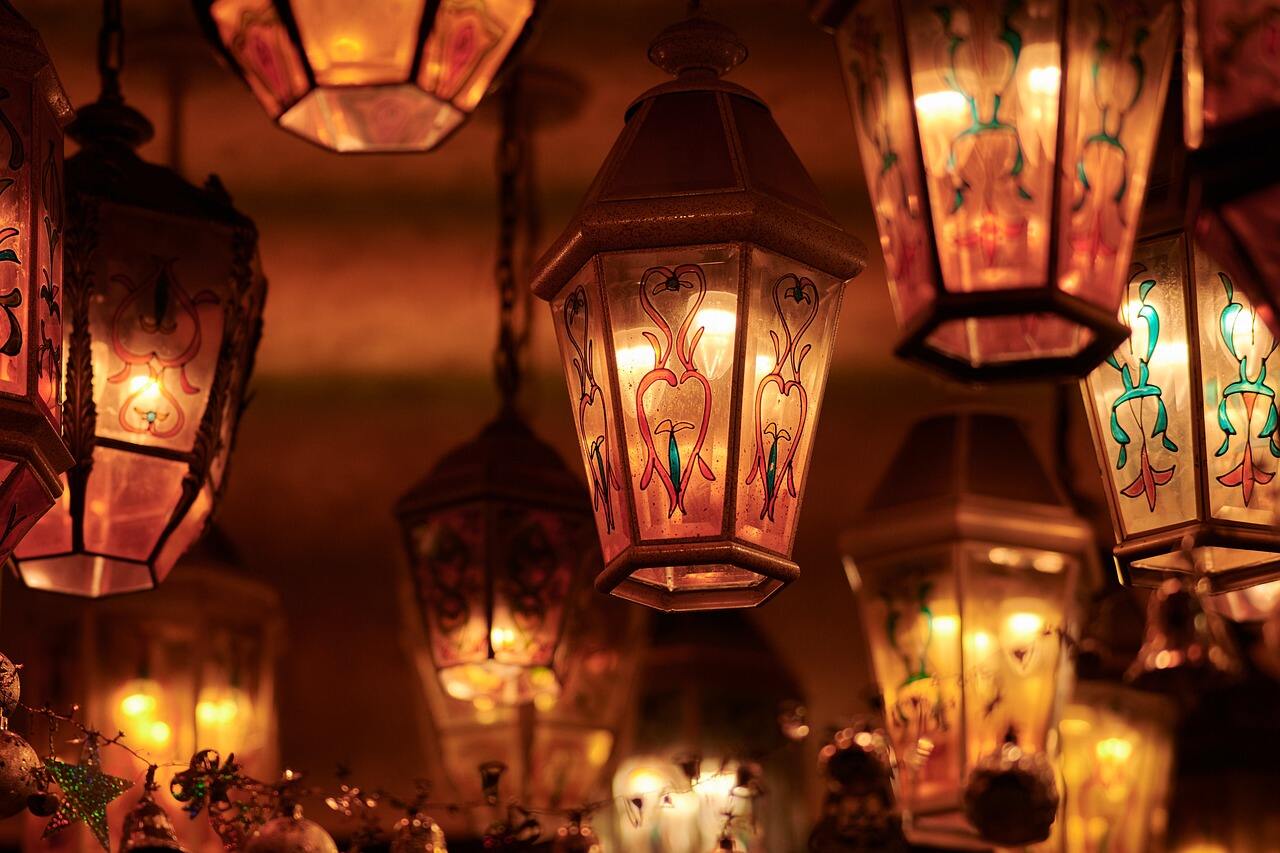
Zrozumienie zjawiska oślepiania i jego wpływu na projektowanie wiszących latarni płomieniowych
Skuteczna kontrola olśnienia zaczyna się od zrozumienia dwóch głównych jego rodzajów występujących w typowych sytuacjach oświetleniowych: olśnienia dyskomfortowego i olśnienia incapacitującego. Gdy ktoś patrzy zbyt długo na jasne światła, na przykład te efektowne wiszące latarnie w restauracjach, doświadcza olśnienia dyskomfortowego, które powoduje zmęczenie oczu. Drugi rodzaj, olśnienie incapacytujące, jest naprawdę niebezpieczny, ponieważ tymczasowo pozbawia ludzi wzroku, co utrudnia poruszanie się po chodnikach i drogach na zewnątrz w nocy. Te problemy wpływają na komfort odczuwany przez nasze oczy, ponieważ źrenice ciągle muszą dostosowywać się naprzemiennie. Ostatnie badania z zeszłego roku sugerują, że ten stały proces adaptacji może powodować aż o 40% większe zmęczenie, zwłaszcza podczas pracy przy oświetleniu zawieszanym.
Rodzaje olśnienia: Dyskomfortowe a incapacytujące w oświetleniu otoczenia
Ludzie odczuwają dyskomfort spowodowany olśnieniem głównie z powodu bardzo jasnych plam obok ciemniejszych obszarów wokół nich. Wyobraź sobie starej konstrukcji żarówki z efektem migoczącego płomienia stojące na ciemnym podwórku w nocy. Istnieje również olśnienie towarzyszące, które występuje, gdy światło odbija się od mokrej nawierzchni lub błyszczących powierzchni, przez co przez chwilę lub dwie trudno dobrze widzieć. Dobrą wiadomością jest to, że nowoczesne projekty latarni skutecznie radzą sobie z obydwoma problemami. Producenci zaczęli stosować osłony ze szkła matowego, dzięki którym światło wydaje się miększe, a nie rażące. Dodatkowo wykorzystują specjalne reflektory skierowane w dół, aby zmniejszyć ucieczkę światła w górę, w niebo, gdzie nie jest potrzebne. Te niewielkie zmiany czynią ogromną różnicę w oświetleniu zewnętrznym, nie powodując bólu głowy ani problemów z widocznością.
Wpływ olśnienia na komfort wzroku w wnętrzach i na zewnątrz w oprawach zawieszanych
Gdy latarnie są zawieszone zbyt nisko wewnątrz pomieszczeń, często powodują tzw. olśnienie powlekające, które utrudnia prawidłowe widzenie, szczególnie na powierzchniach takich jak stoły czy ekrany komputerów. Sytuacja jeszcze się pogarsza na zewnątrz podczas deszczu. Zgodnie z niektórymi badaniami opublikowanymi w zeszłym roku, krople wody rozpraszają światło o około 55% bardziej niż zwykle podczas deszczu. Dlatego tak ważne jest inteligentne rozmieszczenie oświetlenia. Zawieszanie świateł wyżej niż na poziomie oczu i skierowanie ich w stronę przeciwną do miejsc, gdzie ludzie siedzą, znacząco może zmniejszyć to problem. Poprawne oświetlenie to nie tylko kwestia estetyki – ma również rzeczywisty wpływ na poczucie bezpieczeństwa i komfortu każdego użytkownika przestrzeni.
Pomiar olśnienia: UGR i inne metryki oświetlenia dla wiszących latarni płomiennych
System Unified Glare Rating pomaga zmierzyć, jak silny jest oślepiający blask, a ogólnie wszystko poniżej 19 jest akceptowalne dla małych wiszących latarni, które ludzie montują wokół swoich domów. Jednak gdy patrzymy na oświetlenie na zewnątrz, w grę wchodzi inny wskaźnik zwany Indeksem Oślepiania, ponieważ uwzględnia on powierzchnie odbijające światło. Latarnie umieszczone nad ścieżkami żwirowymi wykazują o około 23 procent niższe wartości Indeksu Oślepiania w porównaniu z tymi umieszczonymi na powierzchniach betonowych. Oznacza to, że wybór odpowiedniego materiału ma duże znaczenie podczas projektowania instalacji oświetleniowych w przestrzeniach publicznych lub ogrodach, gdzie widoczność należy wyrównać z estetyką.
Kontrola rozpraszania światła poprzez projektowanie optyczne
Kontrola kąta wiązki dla zrównoważonego oświetlenia i zmniejszenia oślepiania
W inżynierii optycznej wybór odpowiedniego kąta wiązki to pierwszy i kluczowy krok. Kąty między 30 a 60 stopniami dobrze sprawdzają się w kierowaniu światła w dół, bez powodowania irytującego blasku z boków. W przypadku mniejszych stref na zewnątrz, węższe wiązki o kątach 30 stopni lub mniej pomagają ograniczyć światło do danego obszaru, nie dopuszczając do jego wyciekania na tereny sąsiadów. Z drugiej strony, szersze kąty o wartości 60 stopni lub więcej równomiernie rozpraszają światło na większych tarasach, eliminując gwałtowne przejścia od jasnych do ciemnych stref. Wiele nowoczesnych projektów latarni wykorzystuje obecnie technologię adaptacyjnej optyki, która automatycznie zmienia kąt wiązki w zależności od warunków oświetleniowych otoczenia. Opublikowane w zeszłym roku badanie wykazało, że inteligentne rozwiązania oświetleniowe stają się coraz bardziej popularne wśród projektantów poszukujących elastycznych opcji oświetlenia.
Oprawy skierowane w dół, minimalizujące wyciek światła w górę
Wysokiej jakości lampy wiszące skierowują bezpośrednio do dołu nawet 92% strumienia świetlnego, w porównaniu do zaledwie 68% w modelach omnidirectional. Projekt o ustalonym kierunku świecenia zmniejsza ucieczkę światła w górę o 40%–60%, wspomagając zgodność z wymogami ciemnego nieba. Pochylone osłony dalej poprawiają wydajność, blokując poziome wektory olśnienia, które przyczyniają się do dyskomfortu na poziomie oczu osób siedzących.
Użycie żaluzji i reflektorów parabolicznych do kształtowania strumienia świetlnego
Reflektory aluminiowe o kształcie paraboli, pokryte drobnymi wzorami przypominającymi pryzmaty, pomagają kierować irytującymi rozproszonymi cząstkami światła z powrotem w kierunku głównego strumienia światła. Wyniki badań laboratoryjnych wykazują, że osiągają one około 88% sprawności pod względem wydajności optycznej. Z drugiej strony, żaluzje wyposażone w wiele warstw przesłon znacząco redukują problemy związane z olśnieniem. Takie systemy obniżają wartości UGR z niekomfortowych 28 do znacznie lepszych 19 w standardowych instalacjach oświetlenia komercyjnego. Po połączeniu te elementy współpracują ze sobą, aby uzyskać jak najwięcej użytecznego światła, eliminując jednocześnie irytujący efekt jasnych plam pod kątami, przy których jasność przekracza 65 cd na metr kwadratowy, co generalnie uznawane jest za zbyt intensywne dla komfortowego widzenia.
Studium przypadku: Skuteczne kształtowanie wiązki światła w lampach wiszących typu płomień o stylu dziedzictwa
W małym nadmorskim miasteczku słynącym ze swego historycznego uroku władze lokalne wymieniły 120 staromodnych gazowych latarni na nowoczesne wersje LED, które nadal zachowują ciepłe świecenie o temperaturze barwowej 2700K, tak cenione przez mieszkańców. Nowe lampy uliczne wyposażone są w innowacyjny trzystopniowy system reflektorów oraz matowe szklane soczewki wewnętrzne. Od momentu instalacji liczba skarg dotyczących oślepiającego blasku ze strony mieszkańców zmniejszyła się dramatycznie, o około 73%, podczas gdy rzeczywisty poziom oświetlenia na chodnikach wzrósł z zaledwie 2,6 luxa do znacznie lepszych 3,6 luxa. Po przeprowadzeniu rozmów z mieszkańcami okolicznych domów wyniki ankiety wykazały, że aż dziewięć na dziesięciu osób woli właśnie te nowoczesne oprawy niż poprzednie. Dlatego mimo początkowych obaw o utratę historycznego charakteru projekt ten udowadnia, że piękne oświetlenie w starym stylu nie musi już oznaczać słabej widoczności w nocy.
Łagodzenie światła za pomocą dyfuzorów, abażurów i materiałów półprzezroczystych
Matowe szkło, tkaninowe abażury i filtry redukujące olśnienie
Matowe szkło i podobne materiały dyfuzyjne działają, rozpraszając światło na swoich powierzchniach dzięki drobnym wzorom tekstury, co pomaga wyeliminować irytujące jasne plamy bez znaczącej utraty ogólnego poziomu jasności (przechodzi około 85–90 procent). Abażury tkaninowe wykonane z materiałów takich jak płótno lub mieszanki bawełniane mają tendencję do wchłaniania części ostrego blasku z góry, redukując o około 20 do nawet 40 procent światła padającego bezpośrednio od góry. W przypadku oświetlenia zewnętrznego filtry poliwęglanowe odpornożarowe są dość skuteczne w ograniczaniu oślepiania. Niektóre najnowsze testy przeprowadzone w 2023 roku wykazały, że te filtry mogą zmniejszyć poziom oślepiania o około połowę w porównaniu do standardowych przezroczystych szklanych rozwiązań.
Analiza porównawcza rodzajów abażurów: szkło opalowe, szkło grudkowe i szkło strukturalne
| Materiał | Zmniejszenie odblasku | Dyfuzja światła | Cechy estetyczne |
|---|---|---|---|
| Szkło opalizujące | Wysoki (60-70%) | Szeroki i jednolity | Gładki, nowoczesny wygląd |
| Szkło grudkowe | Umiarkowany (40%) | Kierunkowy | Vintage tekstura z "bąbelkami" |
| Szkło strukturalne | Maksymalny (80%) | Wielokątny | Wzorowany efekt wizualny |
Zachowanie jasności i ciepła przy jednoczesnym zmniejszeniu oślepiania
Zaawansowane dyfuzory zachowują strumień świetlny dzięki załamującym mikrostrukturom zamiast blokowania światła. Zgodnie z badaniem Lighting Design Consortium z 2024 roku, pryzmatyczne panele akrylowe zachowują 95% ciepłego światła 2700K, obniżając jednocześnie UGR z 22 do 14 — co czyni je idealnym rozwiązaniem dla obszarów wrażliwych na oślepianie, takich jak strefy jadalne.
Trend: Integracja inteligentnych dyfuzorów w nowoczesnych projektach wiszących lamp typu hanging flame lantern
Szyba elektrochromowa umożliwia natychmiastowe zmniejszenie oślepiania, przechodząc z przezroczystej w matową w mniej niż 0,5 sekundy. Modele zasilane energią słoneczną automatycznie dostosowują przeźroczystość w zależności od natężenia światła otoczenia — trend, który od 2022 roku wykazuje 300% wzrost w sektorze oświetlenia hotelarskiego (Smart Lighting Report 2023).
Optymalizacja rozmieszczenia, wysokości i kierunkowości dla oświetlenia o niskim poziomie oślepiania
Regulowana pozycja umożliwia skierowane oświetlenie bez bezpośredniego oślepiania
Regulowana armatura montażowa sprawia, że latarnie płomienne działają najlepiej, pozwalając ustawiać kąt padania światła dokładnie tak, jak trzeba. Większość modeli wyposażona jest w zawiasy obrotowe lub teleskopowe ramiona, które pozwalają dostosować kierunek wiązki światła. Oznacza to, że stoły są odpowiednio oświetlone, bez odbić rzucających się do oczu przechodniom. To samo dotyczy również ścieżek. Co naprawdę jest przyjemne w tym rozwiązaniu, to to, że utrzymuje ono odpowiedni poziom oświetlenia niezbędnego do funkcjonalności, jednocześnie ukrywając irytujące żarówki lub imitacje płomieni przed wzrokiem. Różnica jest ogromna w miejscach takich jak restauracje czy pokoje dziennego, gdzie ludzie chcą się zrelaksować, a nie zmieniać grymasów pod jasnymi światłami sufitowymi.
Strategiczne rozmieszczenie w celu uniknięcia ekspozycji w linii wzroku w warunkach zewnętrznym
Umieść latarnie co najmniej 8 stóp od stref siedzących i ścieżek, aby zapobiec oddziaływaniu na poziomie oczu. W przestrzeniach otwartych umieszczaj oprawy za kolumnami, roślinnością lub pergolami, tworząc naturalne bariery. Przy wejściach ustaw latarnie pod kątem 45° względem ramy drzwi, aby skutecznie oświetlać progi, unikając przy tym czołowego blasku dla przybywających gości.
Optymalne wysokości montażu i odstępy dla równomiernego i komfortowego oświetlenia
| Wysokość montażu | Zalecane odstępy | Przykłady zastosowania |
|---|---|---|
| 6—8 stóp | co 10–12 stóp | Intymne miejsce siedzące na tarasie |
| 10–12 stóp | co 15–18 stóp | Oświetlenie wokół basenu |
| 14–16 stóp | co 20–25 stóp | Duże układy podjazdów |
Wyższe montowanie (powyżej 10 stóp) w połączeniu z ciepłym światłem 2700K rozprasza oświetlenie na większych obszarach, zmniejszając postrzegane olśnienie. Ciaśniejsze rozmieszczenie na niższych wysokościach zapewnia równomierne oświetlenie bez wyraźnych kontrastów.
Balansowanie estetyki, temperatury barwowej i funkcjonalności w projektowaniu
Harmonizacja formy i funkcji: elementy dekoracyjne bez zwiększania olśnienia
Dobry projekt łączy wygląd i kontrolę światła poprzez wybór odpowiednich materiałów. Gdy mówimy o latarniach, fakturowane metale i matowe szkło naprawdę robią cuda. Rozpraszają światło zamiast dopuszczać do jego gwałtownego odbijania, co oznacza, że te elementy mogą wyglądać zadziwiająco na stole czy kominku, nie powodując przy tym potrzeby zmrużenia oczu. Najnowsze rozwiązania z oprawami drukowanymi w technologii 3D są również bardzo ciekawe. Te nowe projekty pozwalają producentom tworzyć różnorodne kształty, które faktycznie pomagają w równomiernym rozprowadzaniu światła po całym pokoju. Tak więc nawet gdy coś wygląda elegancko lub ozdobnie, wcale nie musi to oznaczać, że będzie bolało oczy.
Urok ciepłego światła: Dlaczego temperatury barwowe 2700K–3000K zmniejszają dyskomfort
Cieplejsze temperatury barwowe redukują ilość światła niebieskiego, które może powodować zmęczenie oczu, sprawiając, że przestrzenie wydają się bardziej przyjazne, gdy ludzie muszą w nich przebywać dłużej. Zgodnie z badaniami opublikowanymi w zeszłym roku, oświetlenie o temperaturze około 2700K zmniejsza skargi dotyczące olśnienia niemal o połowę w porównaniu do 4000K w instalacjach zawieszanych na zewnątrz, mimo że zapewnia podobny poziom jasności. Zakres 2700K jest bardzo zbliżony do naturalnego wyglądu światła płomienia, więc nadaje przytulny klimat, jednocześnie umożliwiając wystarczająco dobre widzenie.
Analiza danych: 65% użytkowników preferuje wiszące latarnie o ciepłym odcieniu światła ze względu na komfort wzrokowy
Badania konsumenckie wykazują silne preferencje wobec odcieni bursztynowych i złotobiałych, przy czym 65% ankietowanych kojarzy lampy o ciepłym zabarwieniu z poprawą komfortu wzrokowego w prywatnych podwórkach i komercyjnych patio (Ośrodek Badań Oświetlenia 2023). Jest to zgodne z zasadami oświetlenia cyrkadianego, które w godzinach wieczornych preferuje cieplejsze odcienie.
Projektowanie dla architektury: integrowanie niskobłyskowych latarni w środowisku zbudowanym
Coraz więcej architektów obecnie wybiera oświetlenie pośrednie, szczególnie te rozwiązania z wiszącymi latarniami imitującymi płomień, które skierowane są w dół, oświetlając fakturalne ściany lub kamienne ścieżki. Takie podejście świetnie sprawdza się w różnych stylach architektonicznych – od odrodzenia mediterraniku po nowoczesny minimalizm. Projektanci często wybierają wykończenia takie jak patynowany miedź lub matowy czarny, ponieważ dobrze komponują się one z elewacjami budynków. Dodatkowo, ten rodzaj oświetlenia nie świeci bezpośrednio w oczy ludzi, co czyni je znacznie bardziej komfortowym w długotrwałym użytkowaniu.
Często zadawane pytania
Jaka jest różnica między olśnieniem dyskomfortowym a olśnieniem niepełnosprawnościowym?
Olśnienie dyskomfortowe występuje, gdy ktoś patrzy zbyt długo na jasne źródło światła, co prowadzi do zmęczenia oczu, podczas gdy olśnienie niepełnosprawnościowe może tymczasowo zaburzyć widzenie i utrudnić poruszanie się, szczególnie w słabo oświetlonych środowiskach.
W jaki sposób olśnienie wpływa na warunki zewnętrzne podczas deszczu?
Warunki deszczowe mogą powodować, że krople wody rozpraszają światło szerzej, zwiększając olśnienie o około 55% w porównaniu do suchych warunków.
Jakie materiały są skuteczne w redukcji olśnienia w oświetleniu?
Materiały takie jak szkło matowe, tkaninowe żaluzje i filtry poliwęglanowe skutecznie rozpraszają światło i redukują olśnienie, nie zmniejszając znacząco jego jasności.
Jak należy ustawić wiszące latarnie, aby zminimalizować olśnienie?
Upewnij się, że latarnie są umieszczone w odległości co najmniej 8 stóp od miejsc siedzących lub ścieżek, oraz wykorzystaj naturalne bariery, takie jak kolumny lub roślinność. W przypadku wejść, przesunięcie o 45° względem ramy drzwi pozwala oświetlić próg bez powodowania bezpośredniego ośлепienia gościom.
Dlaczego cieplejsze temperatury barwowe są lepsze przy redukcji oślepienia?
Cieplejsze temperatury barwowe (2700K—3000K) zmniejszają ekspozycję na światło niebieskie, które może prowadzić do zmęczenia oczu, tworząc bardziej komfortowe i gościnne środowisko.
Spis treści
- Zrozumienie zjawiska oślepiania i jego wpływu na projektowanie wiszących latarni płomieniowych
-
Kontrola rozpraszania światła poprzez projektowanie optyczne
- Kontrola kąta wiązki dla zrównoważonego oświetlenia i zmniejszenia oślepiania
- Oprawy skierowane w dół, minimalizujące wyciek światła w górę
- Użycie żaluzji i reflektorów parabolicznych do kształtowania strumienia świetlnego
- Studium przypadku: Skuteczne kształtowanie wiązki światła w lampach wiszących typu płomień o stylu dziedzictwa
-
Łagodzenie światła za pomocą dyfuzorów, abażurów i materiałów półprzezroczystych
- Matowe szkło, tkaninowe abażury i filtry redukujące olśnienie
- Analiza porównawcza rodzajów abażurów: szkło opalowe, szkło grudkowe i szkło strukturalne
- Zachowanie jasności i ciepła przy jednoczesnym zmniejszeniu oślepiania
- Trend: Integracja inteligentnych dyfuzorów w nowoczesnych projektach wiszących lamp typu hanging flame lantern
- Optymalizacja rozmieszczenia, wysokości i kierunkowości dla oświetlenia o niskim poziomie oślepiania
-
Balansowanie estetyki, temperatury barwowej i funkcjonalności w projektowaniu
- Harmonizacja formy i funkcji: elementy dekoracyjne bez zwiększania olśnienia
- Urok ciepłego światła: Dlaczego temperatury barwowe 2700K–3000K zmniejszają dyskomfort
- Analiza danych: 65% użytkowników preferuje wiszące latarnie o ciepłym odcieniu światła ze względu na komfort wzrokowy
- Projektowanie dla architektury: integrowanie niskobłyskowych latarni w środowisku zbudowanym
-
Często zadawane pytania
- Jaka jest różnica między olśnieniem dyskomfortowym a olśnieniem niepełnosprawnościowym?
- W jaki sposób olśnienie wpływa na warunki zewnętrzne podczas deszczu?
- Jakie materiały są skuteczne w redukcji olśnienia w oświetleniu?
- Jak należy ustawić wiszące latarnie, aby zminimalizować olśnienie?
- Dlaczego cieplejsze temperatury barwowe są lepsze przy redukcji oślepienia?